Categorías
Entrada de Blog

Google Acaba de Meter Anuncios Dentro de las Conversaciones con IA — La Era Zero-Click Ya Llegó

Búsqueda IA
Zero-Click
Estrategia AEO
~8 min lectura

Google Acaba de Meter Anuncios Dentro de las Conversaciones con IA — La Era Zero-Click Ya Llegó

El funnel de marketing que conocimos por 20 años está muerto. Google acaba de confirmar que los anuncios en AI Mode son su placement primario. Mientras tanto, ChatGPT, Perplexity, Gemini y Meta AI se llevan los clics. ¿Tu estrategia está preparada para desaparecer?

La invasión del zero-click no es una tendencia futura. Es la realidad de hoy. Y mientras el 80% de la industria aún optimiza para clics de Google, tu competencia está ganando visibilidad en lugares donde tu audiencia realmente busca.

Idea Clave

Los anuncios en conversaciones con IA no son un experimento: Google los confirmó como placement primario en abril 2026. Ya no es si llegar ahí, sino cuándo desaparece tu tráfico orgánico mientras tanto.

1. La confirmación de Google en abril 2026

Hace apenas semanas, Google hizo un anuncio que pasó desapercibido en muchas agencias: los anuncios dentro de las conversaciones con IA en Gemini son ahora un placement primario. No es un beta test. No es experimental. Es la realidad.

Algunos dirán que Google siempre se mueve despacio. Falso. Google respondió a una amenaza existencial: mientras ellos mantenían a los usuarios en búsqueda tradicional, una generación nueva estaba migrando a ChatGPT, Perplexity y otros motores de respuesta para preguntas cada vez más complejas. Y Google no estaba ganando dinero de eso.

Así que hizo lo que hace siempre: encontró cómo monetizar el nuevo comportamiento. Las conversaciones con IA son ahora una máquina de anuncios, y tu estrategia aún está en 2024. Eso es un problema.

Dónde Google está ganando dinero en 2026

73%

Zero-click en IA
Sin clic a tu sitio

Anuncios contextuales
En cada conversación

0

Estrategia AEO implementada
En tu empresa

Confirmado: Google abril 2026

Esto no es especulación. Google ha confirmado públicamente que AI Mode en Gemini genera ingresos mediante anuncios contextuales dentro de las conversaciones. Si aún piensas que el tráfico de búsqueda tradicional es tu principal fuente, estás ignorando datos de abril 2026.

2. La invasión del zero-click en todas partes

El «zero-click search» no es nuevo. Hace 5 años, Google ya mostraba respuestas directas en SERPs. Pero eso era para preguntas simples: «¿cuántos habitantes tiene Madrid?» o «¿qué es SEO?»

Ahora es diferente. ChatGPT responde análisis de mercado. Perplexity genera reportes con fuentes. Gemini redacta propuestas. Meta AI sintetiza tendencias de redes sociales. Y lo más importante: la gente confía en estas respuestas más que en hacer clic a 10 sitios para encontrar la información.

La invasión del zero-click no es un problema de Google. Es un cambio estructural en cómo la gente accede a información. Y tú sigues invirtiendo presupuesto esperando que hagan clic a tu sitio.

Perplexity ahora es el segundo motor de búsqueda en crecimiento más rápido. ChatGPT genera más tráfico que cualquier sitio de noticias. Bing está integrando IA. Meta AI está en WhatsApp y Facebook. El zero-click no es una tendencia: es el nuevo default.

Tu estrategia actual

«El usuario hará clic en mi sitio»

⚠ La brecha está aquí

73% de búsquedas en IA = 0 clics a tu sitio

La nueva realidad

Estar citado en respuestas de IA es tu nuevo objetivo

¿Tu contenido aparece en respuestas de IA?
Descubre dónde necesitas estar — y cómo llegar — con un diagnóstico AEO gratuito de 30 minutos.

Agenda tu diagnóstico AEO

3. El funnel tradicional está completamente roto

Olvida el funnel de conversión que aprendiste en marketing 101: awareness → consideración → decisión → compra. Ese modelo dependía de que el usuario hiciera clic en tu sitio, viera tu propuesta de valor y luego decidiera. Hoy, la IA responde por ti antes de que el usuario llegue a tu página.

Un usuario en Perplexity pregunta: «¿Cuál es la mejor herramienta de IA para automatizar campañas de marketing?» La IA le da 5 opciones, citando features de cada una. Tu sitio web nunca aparece en la respuesta porque Perplexity no extrae información tuya. El usuario ya tiene la respuesta. No necesita clicar. El ciclo de venta se rompe en el punto cero.

Peor aún: algunos usuarios nunca saben que tu solución existe. La IA simplemente no la incluye en su respuesta porque no está entrenada con tus datos, o porque tus competidores pagaron por anuncios contextuales dentro de esa conversación.

El nuevo funnel en 2026: Búsqueda en IA (zero-click) → Respuesta generada → Anuncios contextuales → (Posible) Clic a tu sitio → Compra. Nota: 70% de usuarios nunca llegan al tercer paso.

Mientras tanto, tus competidores que entienden AEO están siendo citados en esas respuestas. No reciben un clic. Reciben credibilidad. Y la credibilidad ante la IA es el nuevo SEO ranking.

4. AEO: La nueva frontera que no conoces

Si hasta ahora invertías en SEO, tienes un problema. Pero tienes suerte: la solución ya existe y casi nadie la implementa. Se llama AEO: Answer Engine Optimization.

AEO no es optimizar para Google. Es optimizar tu contenido, tu estructura de datos, tus citaciones y tu estrategia de linkeo para que los motores de respuesta con IA (Perplexity, ChatGPT Browsing, Gemini Advanced, etc.) te encuentren primero y citen tu contenido como fuente autorizada en sus respuestas.

Parece simple. Es simple. Pero requiere cambios fundamentales: necesitas contenido largo, profundo y original. Necesitas datos estructurados en JSON-LD. Necesitas que otros sitios autorizados te citen. Necesitas que tu contenido responda exactamente a las preguntas que la gente hace en conversaciones de IA. Y necesitas hacerlo mientras el 80% de la industria aún optimiza para clicks de Google.

Cómo empezar con AEO (de verdad)

No es crear un blog con 50 artículos mediocres. Es identificar exactamente las preguntas que hace tu audiencia en ChatGPT o Perplexity, y crear contenido que sea tan autorizado, tan citable, tan único que la IA no tenga más remedio que incluirlo en sus respuestas. Además, necesitas que ese contenido esté estructurado de forma que sea fácil para la IA extraer la información y procesarla.

Un ejemplo: Si eres consultor de presupuesto para startups, no escribas «10 Consejos sobre Presupuesto». Escribe: «Análisis de 500 startups: Cuánto dinero necesitas realmente para validar tu MVP en 2026» con datos reales, metodología transparente y conclusiones citable. Eso es contenido que la IA quiere incluir.

Las 5 columnas de AEO

Columna Qué es Por qué importa
1. Contenido Citable Investigación original, datos exclusivos, estudios únicos La IA cita lo que es creíble y diferente
2. Datos Estructurados JSON-LD, schema markup, información clara La IA entiende qué extraer y cómo procesarlo
3. Autoridad & Citations Otros sitios autorizados te citan La IA mide credibilidad por quién te menciona
4. Linkeo Estratégico Enlaces internos y externos de calidad Ayuda a la IA a entender tu tema
5. Monitoreo Continuo Mide dónde apareces en respuestas de IA Sin medición, no sabes si funciona

5. Por qué el presupuesto desaparece (y no es culpa de la economía)

He visto a CMOs gastar 500K en ads de búsqueda en 2024 y obtener 15 leads. En 2026, con el mismo presupuesto, obtienen 7. No es porque la economía está mal. Es porque la mitad de su audiencia ahora busca en IA, y sus anuncios de Google Ads no aparecen en esas conversaciones.

Simultáneamente, tienes presión de aranceles, consumidores más cautelosos, y equipos 30% más pequeños (porque aplicaste «eficiencia»). Tu presupuesto se estira más fino cada día, y tu ROI colapsa. Algunos directores culpan a las agencias. Las agencias culpan a Google. Google culpa al mercado. Nadie culpa a la realidad: el mundo cambió, y nadie notó.

2024: Búsqueda tradicional

15 leads

Presupuesto: 500K

Costo por lead: 33K

2026: Mismo presupuesto

7 leads

Presupuesto: 500K

Costo por lead: 71K

La salida no es meter más dinero. Es cambiar dónde inviertes ese dinero. Y eso requiere que alguien en tu equipo entienda AEO, entienda cómo funcionan los motores de IA, y tenga autoridad para decir: «Dejamos de invertir tanto en clics y empezamos a invertir en ser citados.»

6. Qué hacer ahora mismo (antes de que sea tarde)

No voy a decirte que abandones Google Ads. Todavía generan ingresos. Pero necesitas diversificar, y necesitas hacerlo ahora, cuando tienes presupuesto y tiempo. Aquí está el plan:

Paso 1: Audita tu contenido para AEO

Busca en ChatGPT, Perplexity y Gemini las 20 preguntas clave que tu audiencia hace. ¿Tu contenido aparece en las respuestas? ¿Se te cita como fuente? Si la respuesta es «no», tienes trabajo por hacer.

Paso 2: Crea «contenido citable»

No más artículos genéricos. Necesitas investigación original, datos exclusivos, perspectivas únicas. Algo que la IA vea y diga: «Necesito incluir esto en mi respuesta.» Eso significa encuestas, análisis de datos, estudios de caso con números reales.

Paso 3: Implementa estructuración de datos

JSON-LD, schema markup, datos estructurados. Los motores de IA necesitan entender exactamente qué información contiene tu página. Si tu página es un caos de HTML, la IA no sabrá qué extraer.

Paso 4: Construye autoridad (citations y linkeo)

Los motores de IA tienen en cuenta quién cita tu contenido. Si TechCrunch, Forrester o sitios autorizados en tu industria te citan, la IA te considerará más creíble. Esto requiere relaciones, y requiere contenido tan bueno que otros quieran incluirlo.

Paso 5: Monitorea dónde apareces en respuestas de IA

Crea un proceso para buscar tus palabras clave en IA cada semana. ¿Apareces en las respuestas de Perplexity? ¿De Gemini? ¿Cómo? ¿Mejora o empeora? Sin medición, no sabes si tu estrategia de AEO funciona.

El juego cambió en abril 2026. Google metió anuncios en conversaciones de IA. Eso es una confirmación oficial: los motores de IA son aquí para quedarse, y van a monetizar. Tu competidor que entienda AEO en los próximos 6 meses va a arrasar. ¿Serás tú o tu competencia?

¿Tu estrategia está lista para 2026?

El cambio de búsqueda no es una tendencia. Es una realidad. Si aún no tienes una estrategia de AEO, desaparecerás en el ruido.
Descubre exactamente dónde debes estar.

Agenda tu diagnóstico AEO gratuito

Búsqueda tradicional vs. AI-Powered: El cambio de paradigma

Aquí está la realidad en números. Esto no es opinión: es cómo funciona el mundo en 2026.

Aspecto Búsqueda Tradicional (Google) Búsqueda en IA (ChatGPT, Perplexity, Gemini)
Dónde apareces SERP (lista de resultados) En la respuesta, como fuente citada
Cómo ganas tráfico Clics en tu título/descripción Mención en respuesta + cita como fuente autorizada
Factores de ranking Backlinks, autoridad de dominio, palabras clave Autoridad, claridad, citabilidad, datos estructurados
Monetización (Google) Ads arriba de SERP Anuncios contextuales dentro de conversación
Zero-click rate ~30% (sigue bajando) ~73% (y sube)
Cuándo necesitas estar listo Ya deberías Ahora. Hoy. No mañana.

Preguntas Frecuentes

¿Significa esto que SEO está muerto?
No. SEO no está muerto, pero ha evolucionado. El SEO tradicional (optimizar para Google) sigue siendo importante porque Google sigue siendo importante. Pero ahora necesitas AEO además: optimizar para que motores de IA te encuentren y citen. Es SEO + AEO. Si solo haces una, pierdes.
¿Cuánto tiempo tarda una estrategia de AEO en funcionar?
Entre 3 a 6 meses para ver primeros resultados. La IA necesita tiempo para encontrar tu contenido, indexarlo, y luego incluirlo en respuestas. Pero requiere acción inmediata: empezar hoy significa estar en posición en Q3 2026. Esperar significa estar atrás en Q4 2026, cuando todos hayan notado el cambio.
¿Necesito dejar de invertir en Google Ads?
No. Pero probablemente necesites invertir menos. Si gastabas 10K/mes, considera 6-7K en Ads tradicionales y 2-3K en estrategia de AEO, contenido, y relaciones para citación. El ROI de ambas está bajando, así que la solución es diversificar, no abandonar.
¿Funcionan todos los motores de IA de la misma forma?
No. ChatGPT, Perplexity, Gemini, Bing AI y Meta AI tienen modelos diferentes y entrenamientos diferentes. Algunos priorizan fuentes recientes, otros priorizan autoridad. Necesitas probar tu contenido en cada uno y ver dónde apareces. La mayoría de empresas ignora esto y pierden oportunidades.
¿Qué pasa si mi competidor entiende AEO y yo no?
Desapareces. Literalmente. Si tu competidor está siendo citado en respuestas de IA y tú no, su marca gana autoridad, visibility y tráfico. Mientras tanto, los motores de IA «olvidan» que existes. En 6 meses, tu competidor es el nombre que aparece en respuestas. El daño es reversible, pero es caro y lento de reparar.

No esperes a que tus competidores se adelanten

En Studio Ideago ayudamos a líderes de marketing a construir estrategias de AEO antes de que sea demasiado tarde. Analiza dónde está tu contenido hoy, y dónde necesita estar mañana.
El momento es ahora. Los 6 próximos meses son críticos.

Agenda una sesión estratégica

Nacho Hernandez

Nacho Hernandez

Fundador & AI Operations Architect en Studio Ideago. Más de 12 años ayudando a empresas a convertir el caos de marketing en motores de crecimiento sistemáticos impulsados por IA.

Conecta en LinkedIn → · Conoce más sobre Studio Ideago →

Categorías
Blog post

From CRM to Real Growth: How to Unlock HubSpot’s Full Potential in 2026

HubSpot · CRM · Strategy
Updated: Nov 13, 2026 · ~10 min read

From CRM to Real Growth: How to Unlock HubSpot’s Full Potential in 2026

Many companies say “we have HubSpot”, but very few can say “we have a CRM that works for us 24/7”.

If your portal feels more like a messy drawer than a revenue machine, this tutorial is for you.
Here’s the human-friendly version of how a well-configured HubSpot should work, what to fix first,
and how to turn it into the center of your growth strategy without overwhelming your team.

Key idea: HubSpot only works if data is clean, processes are clear,
and the team uses it daily. A well-built CRM isn’t a software cost—it’s the digital backbone
that connects marketing, sales, and service.

Mini interactive quiz: open each question and see if it sounds familiar.

1. Does your team still use Excel “just in case”?

If yes, your CRM is not the single source of truth yet. Good starting point.

2. Do you have pipelines nobody really knows the purpose of?

That usually means the system is built around experiments, not clear processes.

3. Do you know which properties are required to create a deal?

If not, your reporting probably doesn’t know either. Don’t worry—we fix it below.

What HubSpot CRM really is in 2026

HubSpot stopped being “a place to store contacts”. In 2026 it’s a platform that unifies marketing,
sales and service, allowing you to follow the full customer journey—from the first click to renewal.

  • 360º customer view: emails, forms, meetings, ads, tickets and deals in one timeline.
  • Automation: workflows that assign leads, send emails and create tasks automatically.
  • Connected reporting: dashboards that link campaigns to actual customers.
  • Scalability: what you configure today works even when you double leads or markets.

In short: HubSpot is not “another tool”. It’s the backbone your commercial processes rest on.
If it’s poorly configured, everything else suffers.

Signs your HubSpot is in chaos mode (not growth mode)

Before fixing anything, let’s be honest about the current state. These are common red flags we see in audits:

  • Multiple “test” pipelines nobody dares to delete.
  • Sales reps exporting to Excel instead of trusting the CRM.
  • Duplicate contacts with different info on each record.
  • No clear agreement on what counts as a lead, MQL or opportunity.
  • Workflows exist… but nobody knows what they actually do.

If you matched more than two points, good news: you have tons of room to improve and a powerful system to leverage.

Ideal structure of a healthy HubSpot account

There isn’t a single template, but healthy portals share these essentials:

1. Defined objects and relationships

  • Contacts: real people you engage with.
  • Companies: organizations you sell to.
  • Deals: opportunities with amount, probability and stage.
  • Tickets: support workflows that close the loop.

2. Pipelines and stages with purpose

  • One main sales pipeline with 6–8 actionable stages.
  • Stages with objective criteria to move forward/backward.
  • Tasks and automations linked to stages.

3. Critical minimum properties

  • Lead source (channel + campaign).
  • Market or country.
  • Industry / segment.
  • Lifecycle stage (subscriber → lead → MQL → SQL → customer).
  • Internal owner (sales / CSM).

Ideago Tip: HubSpot becomes powerful once you decide which fields are “sacred”.
Everything else can be simplified.

Tutorial: how to clean and optimise HubSpot step by step

This is the workflow we usually follow at Ideago when reorganizing a HubSpot portal.
You can adapt it, but we strongly recommend keeping this order:

1. Audit the real usage (not the “official” version)

  • Check which pipelines are actually used.
  • Analyze which reports leadership looks at and what’s missing.
  • Ask the team what blocks them, what wastes time and what they would change.

2. Map the ideal flow: from lead to customer

  • Discovery → Lead → MQL → Opportunity → Customer → Expansion.
  • Define actions, data and owners for each stage.
  • Align marketing and sales on MQL/SQL definitions.

3. Redesign pipelines and stages

  • Remove or merge obsolete pipelines.
  • Rename stages so anyone understands them instantly.
  • Link stage changes to tasks or notifications.

4. Organize properties and set standards

  • Define required fields for deal creation or stage moves.
  • Eliminate duplicate or “nobody knows what this is” fields.
  • Document naming conventions to avoid “new_field_2”.

5. Automate the repetitive (but wisely)

  • Lead assignment by country, language or business unit.
  • Nurturing workflows aligned with user intent.
  • Internal reminders for demos, proposals or renewals.
  • Auto-close inactive deals with owner notification.

6. Connect marketing and sales

  • Sync forms, ads and landing pages with HubSpot.
  • Define event triggers for stage changes: demo, free trial, email reply, etc.
  • Measure campaigns by customers generated, not clicks.

7. Build dashboards that answer real questions

  • Leadership panel (global view, pipeline, forecast, customer sources).
  • Marketing panel (MQLs, CPL, campaigns that generate customers).
  • Sales panel (open opps, win rate, activities).

Use cases: what a healthy HubSpot looks like day to day

B2B Marketing & Sales

A lead downloads a guide, joins a nurturing workflow tailored to their industry,
opens several emails and books a demo. A deal is created automatically,
assigned to the correct rep and a follow-up task is triggered.

Subscription businesses / SaaS

Each account has an assigned owner, renewals are monitored with workflows,
and tickets are linked to companies and deals. The team can instantly see
churn risks and expansion opportunities.

Common mistakes when implementing HubSpot

  • Configuring first, asking later: workflows built without consulting the team.
  • Too many properties: giant forms and useless reporting.
  • “Temporary” pipelines that stay forever: the CRM becomes a museum.
  • Automating for the sake of it: irrelevant emails = noise.
  • No training: assuming “the tool is intuitive” and then nobody uses it.

Most of the time, the problem is not HubSpot: it’s the lack of intentional process and data design.

Healthy HubSpot Checklist

Use this as a quick internal guide. Mark items and decide what to tackle first.

Action Status Impact
Define lifecycle stages Very high
Clean, unified sales pipeline Very high
Automatic lead assignment High
Document key properties High
Audit active workflows High
Executive dashboard Medium / High
Basic team training Very high
Quarterly review of processes High

Review, adjust and repeat. A healthy HubSpot is never static.

How to implement all this without stopping the machine

  1. Start with a light 1–2 week audit to understand real usage.
  2. Set priorities: data, pipelines, automation or reporting.
  3. Create a roadmap with short sprints and clear deliverables.
  4. Involve marketing, sales and leadership in key decisions.
  5. Measure before/after: time saved, better managed opps, clearer reporting.

Want us to review your HubSpot and give you a clear roadmap?

At Ideago we love new challenges. We analyse your account, identify bottlenecks
and propose an actionable plan so your CRM becomes a growth engine—not a sunk cost.


Request CRM Audit

FAQ — Quick questions about HubSpot CRM

Do I need all HubSpot hubs for this to work?

No. You can start with the base CRM and the hubs that make sense for you
(e.g., Marketing and Sales). What matters is configuration aligned to your real process.

How long until improvements show?

With a clear roadmap, you’ll notice better visibility and organization in a few weeks,
and significant impact in a couple of months.

Which businesses benefit most from HubSpot?

Almost any relationship-driven business: B2B, services, SaaS, consultancies,
and e-commerce with subscription or repeat logic.
The key isn’t the industry—it’s the willingness to take processes and data seriously.

Ready to bring profit from your CRM Strategy?

We love hearing new challenges, complete the following form and we will answer you in less than 24 hours!

Categorías
Blog post

Complete Guide to Optimize Your Website for Voice Search

WELCOME TO IDEAGO BLOG

How to make Google and Alexa fall in love with your website.

Picture this: you’re cooking with dough-covered hands and shout,
“Hey Google, what’s the best marketing agency in Spain?”
And boom! Your website is the first result. Dream? Nope. Strategy.
Welcome to the world of voice search, where users don’t type—they talk. And your website better be ready to listen (and answer with flair).

This guide will teach you how to optimize your site for voice search with humor, heart… and just the right dash of digital mischief.

share this on your social channels!

Why should you care about voice search?

📱 71% of users prefer speaking to typing.
🧠 People talk differently than they type. They ask:

“Where can I find vegan spirulina shakes in Madrid?”
instead of typing: “vegan spirulina shake Madrid”

Optimizing for voice search isn’t the future—it’s already happening.
Be the first, and you’ll get the click.

Step 1: Think like a human, not a keyword robot

Users don’t say: “Digital marketing + agency + Barcelona”
They say: “What’s the best digital marketing agency near me?”

👉 SEO tip: Use natural questions as H2 or H3 headings.
Like:

  • How can I improve my online presence?

  • What makes a branding strategy effective?

  • What exactly does a marketing agency do?

Google loves these. So should you.

Step 2: Answer like a radio host

Voice assistants want fast, clear, structured answers.

✅ Use bullets, lists, or short paragraphs.
✅ Write answers as if read by a charming podcast host.
✅ Aim for clarity, not fluff.

Step 3: Go local (if applicable)

If your agency is based in Madrid, Barcelona, or a sunny coastal village—make sure Google knows it!

📍 Use local keywords: city, neighborhood, zip code.
📱 Claim and optimize your Google Business profile.
🔁 Add real human-sounding reviews and testimonials.

Step 4: Speed and mobile = survival

80% of voice searches come from mobile devices.
If your site loads slower than a video call on train WiFi—you’ve got a problem.

🛠️ Use tools like PageSpeed Insights
📱 Make sure your website looks great on mobile (thanks Elementor!).

Step 5: Use Schema Markup – the secret weapon

Add structured data (schema) to help search engines understand your content.

👉 Use schema types like FAQPage, LocalBusiness, or Product.

This increases your chances of showing up in featured snippets—and in voice responses.

Conclusion

Voice search isn’t the future. It’s now.
While others are still typing, you could be owning the mic.

At Studio Ideago, we don’t just talk about marketing—we optimize it so it gets found by voice, text, or even smoke signals (almost).

Ready to be heard?

Ready to bring AI into your strategy without losing your human spark?

We love hearing new challenges, complete the following form and we will answer you in less than 24 hours!

Categorías
Entrada de Blog

Guía Completa para Optimizar tu Sitio Web para Búsquedas por Voz

Bienvenidos al blog de ideago

Cómo hacer que Google y Alexa se enamoren de tu sitio web

Imagina que estás cocinando y, con las manos llenas de masa de pizza, le dices a tu asistente:
“Hey Google, ¿cuál es la mejor agencia de marketing en España?”
Y ¡pum! Aparece tu web en el primer resultado. ¿Sueño? No. Estrategia. Bienvenidos al universo de las búsquedas por voz, donde los usuarios no escriben, hablan. Y tu sitio web debe estar listo para escuchar (y responder con estilo).

En esta guía no solo aprenderás cómo optimizar tu web, sino también cómo hacerlo con gracia, humanidad… y un poquito de picardía digital.

Comparte en tus redes sociales!

¿Por qué deberías preocuparte por la búsqueda por voz?

📱 El 71% de los consumidores prefieren usar la voz que escribir.
🧠 La gente habla distinto de cómo escribe. Preguntan cosas como:

“¿Dónde puedo conseguir batidos veganos con espirulina en Madrid?”
en lugar de escribir “batido vegano espirulina Madrid”.

Optimizar tu sitio para búsquedas por voz no es solo futuro: es presente, y quien llegue primero, se lleva el clic (o el “tap” en este caso).

Paso 1: Piensa como humano, no como robot

Los usuarios no dicen: “Marketing digital + agencia + Barcelona”.
Dicen: “¿Cuál es la mejor agencia de marketing digital cerca de mí?”

👉 Tip SEO: Usa preguntas naturales como encabezados H2 o H3.
Frases como:

  • ¿Cómo mejorar mi presencia online?

  • ¿Qué es una estrategia de branding efectiva?

  • ¿Qué hace una agencia de marketing exactamente?

Google ama estas preguntas. Y tú también deberías.

Paso 2: Responde con claridad

Los asistentes de voz no tienen tiempo para florituras.
Quieren respuestas rápidas, claras y estructuradas.

✅ Usa listas, bullets, tablas o frases cortas.
✅ Coloca las respuestas dentro de párrafos breves.
✅ Intenta que tu contenido suene como si lo leyera una persona con buena dicción en la radio.

Paso 3: Activa el modo local (si aplica)

Si tu agencia está en Barcelona, Madrid o el paraíso fiscal de tu barrio… ¡que Google lo sepa!

📍 Incluye palabras clave locales en tu sitio: ciudad, barrio, código postal.
📱 Reclama y optimiza tu perfil de Google Business.
🔁 Añade reseñas y testimonios que suenen humanos (nada de copiar-pegar “excelente servicio”).

Paso 4: Optimiza tu velocidad y experiencia móvil

¿Sabías que el 80% de las búsquedas por voz se hacen en móviles?
Si tu web tarda más en cargar que una videollamada con WiFi de tren, tienes un problema.

🛠️ Usa herramientas como PageSpeed Insights
📱 Asegúrate de que tu web se vea bien en móvil (¡grande Elementor!).

Paso 5: Schema Markup, el hechizo secreto

Agrega datos estructurados (schema) para que los buscadores entiendan de qué va tu sitio.
Con ellos puedes mejorar tus chances de aparecer en los snippets destacados y, claro, en respuestas por voz.

👉 Usa tipos como FAQPage, LocalBusiness o Product.

Conclusión

Las búsquedas por voz no son el futuro. Son ahora mismo.
Y mientras otros aún están afinando su teclado, tú puedes estar conquistando oídos, bocas y asistentes inteligentes.

En Studio Ideago, no solo hablamos de marketing. También lo optimizamos para que lo encuentren por voz, por texto o por señales de humo (bueno… casi).

¿Listo para que te escuchen (literalmente)?

¿Necesitas ayuda para optimizar tu sitio web para búsquedas por voz?

Nos encanta escuchar nuevos desafíos, completa el siguiente formulario y te responderemos en menos de 24 hs!

Categorías
Blog post

How Generative AI Is Transforming Digital Marketing in 2025

WELCOME TO ideago BLOG

Spoiler alert: If you thought AI was coming for your job… relax. It might just help you get paid more for doing it faster. 😉

share this on your social channels!

📌 Intro: Sci-fi or marketing?

Not long ago, hearing «artificial intelligence» made you think of robots, flying cars, or if you’re a bit dramatic, a Netflix-style apocalypse. But here we are in 2025, and AI hasn’t destroyed us—just our old ways of doing marketing.

And the best part? It’s accessible to agencies, freelancers, and brave brands ready to evolve.

.

🤖 What is generative AI (and why is everyone obsessed with it)?

Generative AI is a type of artificial intelligence that can create new content (text, images, videos, music, even hilarious excuses to miss a Zoom call) based on patterns and data it has learned.

Tools like ChatGPT, Midjourney, Jasper, and Runway allow marketers and creatives to:


  • Write blog posts like this one (although with less sass),

  • Generate visual concepts in seconds,

  • Create email campaigns that actually convert,

  • Automate marketing funnels without sounding like a robot

🚀 5 Ways Generative AI Is Revolutionizing Marketing

1. Content writing at scale — without sacrificing quality

You can write 10 blog posts in an afternoon (and still have time for your favorite show). Tools like ChatGPT or Jasper help you draft faster, then you humanize and polish.

Pro tip: AI content should always be edited, personalized, and structured for SEO. Google wants helpful, not robotic.

2. Visual creativity for people who can’t draw stick figures

Midjourney, Adobe Firefly, and DALL·E allow marketers to create branded images for social media, campaigns, and presentations—without begging a designer (though designers are still our heroes ❤️).

3. Emails that convert (instead of disappearing into Spamland)

AI helps you write better subject lines, segment more intelligently, and tailor messages for each buyer persona—without losing your mind.

4. Real-time campaign personalization

Ever dreamt of a campaign that adjusts to each user on the fly? It’s here. AI + data = mind-blowing experiences.

5. Faster analysis, smarter optimization

AI tools detect patterns, predict outcomes, and suggest improvements before your competition finishes saying “A/B test.”

🧭 Using AI in your business without losing your soul

You might worry about sounding robotic. But don’t: AI should be your super-assistant, not your replacement.

💡 Here’s how to start using it smartly:

  • Create a base prompt that reflects your brand tone.

  • Use AI to spark ideas, not write unedited everything.

  • Combine automation with your human edge: AI + creativity = dream team.

📈 What about SEO? Is Google cool with AI content?

Google doesn’t penalize AI-generated content, but it does penalize useless content. So your blog post needs to be:

  • Keyword-rich and relevant (think “AI marketing 2025,” “generative content tools,” “creative automation”),

  • Well-structured with H1s, H2s, H3s,

  • Focused on solving real searcher questions,

  • Interlinked with your services (like that slick CRM strategy page you’ve got 😉).

🎯 Final thoughts: AI didn’t come to replace you—it came to upgrade you

If you’ve read this far, you know the game has changed. Generative AI isn’t a fad—it’s a new playing field. The real power lies in how you use it.

So don’t panic—embrace the tech. And if you need a creative partner to implement it with a touch of personality… well, Studio Ideago is your new favorite sidekick. 😎

Ready to bring AI into your strategy without losing your human spark?

We love hearing new challenges, complete the following form and we will answer you in less than 24 hours!

Categorías
Entrada de Blog

Cómo la IA Generativa está Transformando el Marketing Digital en 2025

Bienvenidos al blog de ideago

Spoiler: si creías que la IA venía a quitarte el trabajo… ¡tranqui, no te preocupes! También puede ayudarte a cobrar más por hacerlo más rápido. 😉

Comparte en tus redes sociales!

¿Esto es ciencia ficción o marketing?

Hasta hace no mucho, cuando escuchabas “inteligencia artificial”, pensabas en robots, coches voladores o, si eras un poco más dramático, el fin del mundo versión Netflix. Pero aquí estamos en 2025 y la IA… no nos ha destruido. Solo ha destruido las viejas formas de hacer marketing.

Y lo mejor: está al alcance de agencias, freelancers y marcas que se animan a evolucionar.

🤖 ¿Qué es exactamente la IA generativa (y por qué todos hablan de ella)?

La inteligencia artificial generativa es un tipo de IA capaz de crear contenido nuevo (texto, imágenes, videos, música, campañas, prompts, excusas para no contestar mails, etc.) a partir de datos y patrones aprendidos.

Herramientas como ChatGPT, Midjourney, Jasper, Runway, entre otras, permiten que los creativos podamos:

  • Redactar textos como este (pero con menos carisma)

  • Diseñar conceptos visuales en segundos

  • Crear emails personalizados que realmente convierten

  • Automatizar partes del embudo de marketing sin perder humanidad

🚀 5 formas concretas en que la IA generativa está revolucionando el marketing

1. Redacción de contenido a escala, sin perder calidad

Puedes escribir 10 artículos en una tarde (y aún tener tiempo para tu serie favorita). Herramientas como ChatGPT o Jasper generan borradores que luego puedes humanizar y ajustar a tu tono.

Bonus tip: el contenido creado con IA debe ser revisado, personalizado y estructurado para SEO. Google quiere contenido útil, no robótico.

2. Creatividad visual para los que no dibujan ni una carita feliz

Midjourney, Adobe Firefly o DALL·E permiten generar imágenes para campañas, redes o presentaciones sin depender 100% de un diseñador (aunque siempre es bueno tener uno en el equipo, ¡se les quiere!).

3. Emails que venden y no terminan en “Spamlandia”

Con la IA podés segmentar mejor, escribir asuntos más atractivos y adaptar tus mensajes a cada buyer persona sin perder la cabeza ni el presupuesto.

4. Campañas personalizadas en tiempo real

¿Alguna vez soñaste con una campaña que se ajuste a cada usuario en vivo? Ya no es un sueño. IA + datos = experiencias que impactan.

5. Análisis y optimización más rápidos

Herramientas de IA pueden detectar patrones, predecir resultados y sugerir mejoras antes de que tu competencia diga “rebranding”.

🧭 Cómo usar IA generativa en tu negocio sin parecer un robot

Sabemos que te preocupa perder “el toque humano”. Pero usá la IA como lo que es: una asistente genial, no un reemplazo de tu talento.

💡 Aquí van algunas ideas prácticas para empezar:

  • Crea un prompt base que refleje el tono de tu marca.

  • Usa IA para generar ideas y títulos, no para escribir todo sin filtros.

  • Combiná automatización con un toque artesanal: humanos + IA = equipo imbatible.

📈 ¿Y el SEO? ¿Qué dice Google?

Google no penaliza el contenido hecho con IA, pero sí penaliza el contenido inútil. Por eso, tu estrategia debe incluir:

  • Palabras clave relevantes y actuales (como «IA en marketing 2025», “automatización creativa”, etc.)

  • Encabezados claros y jerarquizados (como los de este artículo 😉)

  • Contenido estructurado para responder preguntas reales

  • Enlaces internos (por ejemplo, podrías conectar este post con tu servicio de consultoría en IA aplicada al marketing)

🎯 Conclusión: la IA no vino a reemplazarte, vino a potenciarte

Si estás leyendo esto es porque, como nosotros, sabés que el marketing está cambiando. La IA generativa no es una moda, es un cambio de paradigma. La diferencia está en cómo la usás.

Así que no te asustes, abrazá la herramienta. Y si querés que alguien te acompañe a aplicar todo esto en tu marca o empresa… bueno, Studio Ideago está para eso. 😉

¿Querés aplicar IA a tu estrategia sin perder la esencia humana?

Nos encanta escuchar nuevos desafíos, completa el siguiente formulario y te responderemos en menos de 24 hs!

Categorías
Blog post

How to Implement AI Tools to Optimize Business Operations

Welcome to Ideago Blog

Artificial Intelligence (AI) is no longer a technology reserved for large corporations with million-dollar budgets. Today, any business, regardless of size, can integrate AI tools into daily operations to improve efficiency, reduce costs, and enhance decision-making.

In this article, we explore some of the most accessible AI tools that can transform business management, along with real-world examples of how companies have optimized their processes with minimal changes.

share this on your social channels!

Key Benefits of AI in Business

Before diving into specific tools, let’s highlight the concrete benefits AI can bring:

  • Time Savings: Automates repetitive tasks so employees can focus on strategic activities.

  • Better Customer Service: Provides fast and personalized responses.

  • Real-Time Data Analysis: Enables informed decision-making based on data.

  • Cost Reduction: Minimizes human errors and optimizes resources.

And yes, implementing new tools in our business can be tedious at times. They take time to learn, incorporate, or even change ways of working that people have been doing for many years. But without belaboring the point, let’s jump straight to real-life cases and how they use AI to give you some inspiration.

AI Tools for Business Applications

These tools are readily available and can be easily integrated into the daily operations of any company:

1. AI Chatbots – Enhancing Customer Service

Tools: ChatGPT, Drift, Intercom
Many businesses spend considerable time answering frequently asked customer questions. AI-powered chatbots can automate responses without compromising quality.

Case Study: A small fashion store implemented a chatbot on its website using Intercom to handle inquiries about shipping, sizing, and product availability. Result: A 40% reduction in customer support workload and a 20% increase in conversions.

2. Automated Email Marketing

Tools: HubSpot, Mailchimp AI, ActiveCampaign
Businesses can personalize and automate email marketing campaigns to improve customer engagement.

Case Study: A marketing agency started using AI-powered HubSpot to personalize emails based on customer behavior. Result: A 35% increase in email open rates and 25% more conversions.

3. Reducing Time Spent in Meetings

Tools: Fireflies.ai, Otter.ai
Meetings can be lengthy and inefficient. AI-powered transcription and summarization tools improve productivity.

Case Study: A law firm adopted Fireflies.ai to record and summarize client meetings. Result: A 50% reduction in time spent taking notes and improved information organization.

4. Sentiment Analysis on Social Media

Tools: MonkeyLearn, Brandwatch, Hootsuite Insights
Monitoring brand perception on social media is crucial for adjusting marketing strategies.

Case Study: A healthy food startup used MonkeyLearn to analyze customer feedback on social media. Result: Quick identification of packaging complaints, leading to design improvements and increased customer satisfaction.

5. Optimizing Hiring Processes

Tools: HireVue, Pymetrics
Recruiting candidates becomes more efficient with AI, which analyzes skills and compatibility.

Case Study: A tech company implemented HireVue to assess body language and voice tone in interviews.
Result: A 30% reduction in hiring time and better talent selection.

6. AI-Powered Content Generation for Blogs & Social Media

Tools: Jasper, Copy.ai, Writesonic
Content creation can be accelerated with AI-powered writing tools.

Case Study: A travel agency used Jasper to generate destination descriptions and promotional content for social media. Result: A 60% reduction in content creation time and increased engagement.

Conclusion: AI is an Opportunity, Not a Threat

Implementing AI tools does not require million-dollar investments or specialized teams. With small adjustments in daily processes, any company can benefit from AI’s potential.

If you want to explore how artificial intelligence can optimize your business, our agency can guide you in choosing the right tools and ensuring effective integration. Contact us today and take your business to the next level!

Do you have any question for us?

We love hearing new challenges, complete the following form and we will answer you in less than 24 hours!

Categorías
Blog post

Quick Guide to understand the new Google Ads Performance MAX campaigns

welcome to Ideago blog

Quick Guide to understand the new Google Ads Performance MAX campaigns

In the last months, Google Ads formally enabled the use of the new Performance MAX campaigns for all users who use the Google’s advertising platform. They timidly started with a beta version, but they quickly stablished as the new «toy» for Google Ads Specialists, showing great results in specific goal campaigns. Google continues to show that artificial intelligence and machine learning will be clearly the future for all advertisers.

With this brief guide you will be able to learn what these new campaigns are, how they work and when it is advisable to use them.

Share this on your social channels!
Share on facebook
Share on twitter
Share on linkedin

What are the new Performance MAX campaigns?

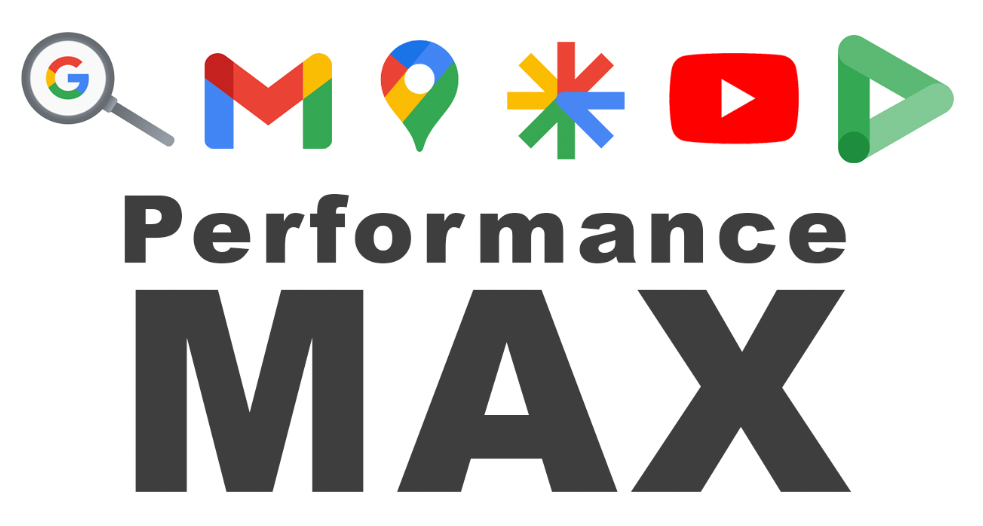
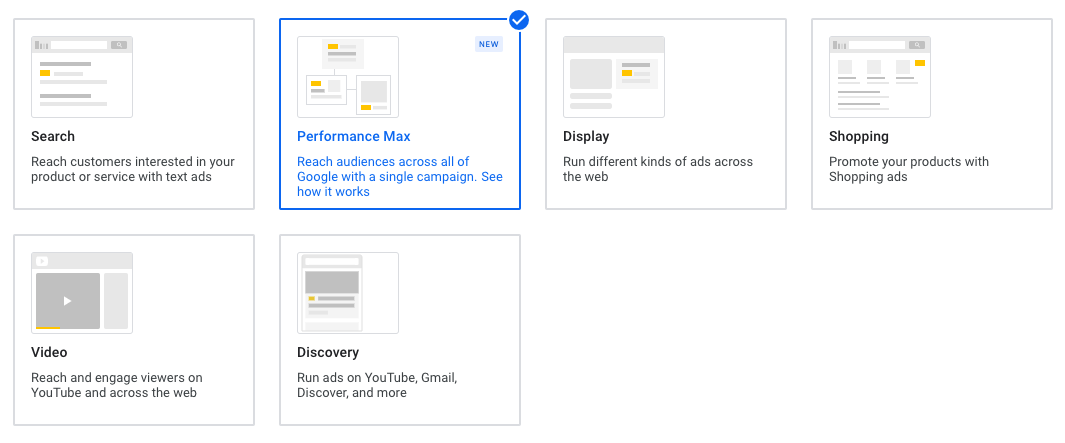
In a nutshell, the new Performance MAX campaigns allow us to use the entire Google Ads inventory through a single campaign. When we mention all inventory we mean:

  • Search Campaigns
  • Display
  • Youtube
  • Discover
  • Gmail
  • Google Maps

Before the appearance of these campaigns, if we wanted to appear in the entire Google Ads inventory, we had to carry out campaigns separately in each channel, but thanks to these new campaigns this problem has been solved.

How does the new Google Ads Performance MAX campaign works?

These types of campaigns are easy to create and optimize since they mainly use machine learning and automation of our account and historical data to make the most of our budget and find customers in the right moment and place.

When creating a campaign with a sales, potential customers or visits goal, we can then choose the Performance Max campaign option. The next step is the usual, upload the headlines, descriptions, photos and videos (Don’t worry if you don’t have videos, the platform creates a collage with your images to show on YouTube for example). Once this basic data is loaded, all the rest is left to Google’s artificial intelligence, who will use that information (together with the historical data) to distribute our ads through the whole inventory and learn where and when it is best to push our ads.

When is recommended to use Performance MAX campaigns?

Creating and optimizing these campaigns is very simple as we have seen before, but the key part is understanding when it is convenient to use them.

Based on the experiences we have had with our clients from different industries and countries, these campaigns are recommended for those companies that want to sell a massive product or service. Of course, if we say that through a single campaign we will have the visibility of the entire Google inventory, this implies that it will reach many people through different formats. So if our product/service is something that fits the needs of most people, we recommend trying this type of campaign.

When is NOT recommended to use Performance MAX campaigns?

If you are just starting out with Google Ads, have a new account, and have not had any conversions, we do not advise you to use these campaigns. As we mentioned before, Google uses artificial intelligence and historical data to understand where and when to sell our product/service more efficiently.

Within this historical data we have the conversions of our account, which is a key part for the good use for these campaigns. If we don’t have around 30 conversions in the last 45 days it will be difficult for Google to use historical data and understand where to sell your products and services.

It is also not recommended to use this type of campaign for products or services that target a specific niche audience. As we have mentioned before, these types of campaigns are good for reaching a large part of the population. If you want to sell something very specific, it is best not to invest your budget in campaigns as massive as Performance MAX.

Let’s see some examples of good practices

Example 1

If you want to sell life insurance or shoes, for example, this type of campaign can be very beneficial since the vast majority of people need these services or products.

Example 2

If you want to sell spare parts for a specific industrial machine, then we do not recommend using these types of campaigns. The niche you are targeting is very narrow, and this type of campaign just plasters the internet with your ads, which will generate many impressions, clicks and waste your budget.

Conclusions

Google will continue using artificial intelligence, machine learning and automations in its platform and campaigns. This is the future for advertisers. On one hand, it is beneficial because it will not require great skills to publish on your platforms and get results, but on the other hand, it will not allow the Google Ads specialist to be granular with modifications or changes within their campaigns.

Beyond this quick guide to understand the new Performance MAX campaigns, we always advise you to initially test the new campaigns with a low budget and measure the results such as the cost per click, or the cost per conversion. Once you have certain results you will be able to know if it is a campaign that fits your objectives or not. Remember, in marketing the key is always to test and measure!

If you do not have much experience and want to try these campaigns or if you have any questions, contact us here or use the form below. We are delighted to hear your challenge and help you get the most out of your business and budget.

About the Author


Linkedin

Can we help you?

We love hearing new challenges, complete the following form and we will answer you in less than 24 hours!

You might be also interested in reading …