Categorías
Blog post

From SEO to GEO: How to Prepare Your Brand for the AI-Generated Web of Answers


Tech Futurist • 2025
Updated: · ~12 min read

From SEO to GEO: How to Prepare Your Brand for the AI-Generated Answers Web

The web of links is evolving into a web of AI-generated answers. This guide shows you how to design content that models can understand, cite, and recommend. Less fluff, more actionable clarity for classic SEO, SGE, and assistants like ChatGPT.

Key idea: optimize so an AI can grasp the context, trust your authority, and cite you. Structure, intent, and evidence matter more than ever.

What is GEO (Generative Engine Optimization)?

GEO is the practice of creating content so that generative models (chatbots, search assistants, AI layers) can understand it, summarize it, and recommend it. It doesn’t replace SEO—it expands it into a world where answers are conversational.

  • Clear semantics: definitions, context, and scope.
  • Full intent coverage: what, why, how, risks, alternatives.
  • Evidence and trust signals: data, cases, authorship, freshness.

What is SGE (Search Generative Experience)?

SGE is the AI search layer that generates a synthetic answer above organic results. The goal isn’t only to “rank” anymore, but to be cited within that answer as a reliable, clear source.

SGE mantra: Publish to be cited. Clarity beats verbosity.

GEO vs SEO: What’s the difference?

Aspect Classic SEO GEO
Value unit Page/keyword Answer/Intent
Format Optimized longform Modular blocks (H2/H3 = mini-answers)
Success metric Ranking + CTR Citations in answers + conversational satisfaction
Quality signals E-E-A-T, backlinks E-E-A-T + semantic structure + freshness

Bottom line: don’t abandon SEO—complement it with an architecture of reusable answers.

GEO-7 Framework: From briefing to citation

  1. Intent: list real questions per stage (discovery → decision).
  2. Architecture: H2/H3 that answer in 120–180 words each.
  3. Evidence: first-party data, examples, clear disclaimers.
  4. Accessibility: alt text, contrast, media transcripts.
  5. Freshness: “Last updated” + quarterly cadence.
  6. Measurement: CTR, scroll, active time, conversion, “copy-as-citation”.
  7. Distribution: atomize into micro-answers for social/FAQs.

Ideal structure for SGE & assistants

Use blocks that “live on their own” and can be cited out of context:

Short definition (60–90 words): what it is and why it matters.
Actionable checklist: clear steps, action verbs, expected outcomes.
Common mistakes + how to avoid them: short bullets, practical angle.
Mini contextual FAQ: 3–5 frequent questions with 2–3 sentence answers.

Applied examples by industry

B2B Consulting

Post “How to lower CPA with €1,500/month in Google Ads.” Include budget formula, negative-keyword checklist, and benchmark table. Targets queries like “low budget google ads”.

Sports Ecommerce

Comparison guide “10K beginner shoes: stability vs cushioning.” Provide decision matrix and mini-FAQ. Geared for conversational voice queries.

SaaS

“Implement GA4 events in 30 minutes” in HowTo format + common pitfalls. Easy for models to cite in quick technical answers.

Common mistakes that keep you out of answers

  • Intent-less filler: lots of text, little answer.
  • No evidence: claims without examples or data.
  • Stale content: “evergreen” pieces without “last reviewed”.
  • Accessibility ignored: images without alt, low contrast.
  • No CTA or next step: a good answer with zero conversion path.

Futurist GEO Checklist

Action Status Impact
Clear, contextual definitions High
H2/H3 blocks as mini-answers Very High
Real examples and cases High
Accessibility (alt, contrast, transcripts) Med/High
Visible “Last updated” label High
Contextual CTA (next step) High

Check and republish. AIs value freshness and consistency.

How to implement GEO on your site (step by step)

  1. Audit real questions: sales, support, on-site search, Search Console.
  2. Group by intent: informational, comparative, transactional.
  3. Write modular blocks: H2/H3 with 120–180 words and an example.
  4. Add trust signals: author, date, cases, policies, disclaimers.
  5. Accessibility: alt, logical headings, readability.
  6. Interlinking: link to complementary pieces and key resources.
  7. Measure & improve: CTR, scroll, active time, on-site search queries.

Want to accelerate? We’ll guide you with a GEO+SGE plan

Free diagnostic and 7-day roadmap to turn your site into an AI-cited source.

Request GEO Diagnostic

FAQ — Quick Questions

Does GEO replace SEO?

No. GEO extends SEO toward conversational, citable answers. They work together.

How long until I see impact?

With living, well-structured content you can see early signals in weeks and consolidation in months.

What do I need to start?

Audit real questions, build a modular H2/H3 architecture, set clear metrics (GA4), and define an update cadence.

Ready to bring AI into your strategy without losing your human spark?

We love hearing new challenges, complete the following form and we will answer you in less than 24 hours!

Categorías
Entrada de Blog

De SEO a GEO: cómo preparar tu marca para la web de respuestas generadas por IA


Tech Futurist • 2025
Actualizado: · ~12 min lectura

De SEO a GEO: cómo preparar tu marca para la web de respuestas generadas por IA

La web de enlaces evoluciona a una web de respuestas generadas por IA. Esta guía te muestra cómo diseñar contenido que los modelos entienden, citan y recomiendan. Menos humo, más claridad accionable para SEO clásico, SGE y asistentes como ChatGPT.

Idea clave: optimizas para que una IA entienda el contexto, confíe en tu autoridad y pueda citarte. Estructura, intención y evidencia importan más que nunca.

¿Qué es GEO (Generative Engine Optimization)?

GEO es la práctica de crear contenido para que los modelos generativos (chatbots, asistentes de búsqueda, capas de IA) puedan entenderlo, resumirlo y recomendarlo. No sustituye SEO: lo expande hacia una web donde las respuestas son conversacionales.

  • Semántica clara: definiciones, contexto y límites de un tema.
  • Cobertura completa de intención: qué es, por qué, cómo, riesgos, alternativas.
  • Evidencia y señales de confianza: datos, casos, autoría, actualización.

¿Qué es SGE (Search Generative Experience)?

SGE es la capa de búsqueda con IA que genera una respuesta sintética por encima de los resultados orgánicos. El objetivo ya no es solo “rankear”, sino aparecer citado dentro de esa respuesta como fuente fiable y clara.

Mantra SGE: Publica para ser citado. La claridad gana a la verborrea.

GEO vs SEO: ¿en qué se diferencian?

Aspecto SEO clásico GEO
Unidad de valor Página/keyword Respuesta/Intención
Formato Texto largo optimizado Bloques modulares (H2/H3 = mini-respuestas)
Criterio de éxito Ranking + CTR Citas en respuestas + satisfacción conversacional
Señales de calidad E-E-A-T, backlinks E-E-A-T + estructura semántica + frescura

Conclusión: no abandonas SEO, lo complementas con una arquitectura de respuestas reutilizables.

Framework GEO-7: del briefing a la cita

  1. Intención: lista de preguntas reales por etapa (descubrimiento → decisión).
  2. Arquitectura: H2/H3 que respondan en 120–180 palabras cada una.
  3. Evidencia: datos propios, ejemplos y disclaimers claros.
  4. Accesibilidad: alt text, contrastes, transcript de medios.
  5. Frescura: “Última actualización” + cadencia trimestral.
  6. Medición: CTR, scroll, tiempo activo, conversión y “copy-as-citation”.
  7. Distribución: fragmentar en micro-respuestas para social/FAQs.

Estructura ideal para SGE y asistentes

Usa bloques que “vivan solos” y puedan citarse fuera de contexto:

Definición breve (60–90 palabras): qué es y para qué sirve.
Checklist accionable: pasos claros, verbos de acción, resultados esperados.
Errores comunes + cómo evitarlos: bullets cortos, enfoque práctico.
Mini-FAQ contextual: 3–5 preguntas frecuentes con respuestas de 2–3 frases.

Ejemplos aplicados por sector

Consultora B2B

Pieza “Cómo reducir el CPA con 1.500 €/mes en Google Ads”. Incluye fórmula de presupuesto, checklist de negativización y tabla de benchmarks. Perfecta para consultas del tipo “presupuesto bajo google ads”.

Ecommerce deporte

Guía comparativa “Zapatillas 10K para principiantes: estabilidad vs. amortiguación”. Incluye matriz de elección y mini-FAQ. Orientada a preguntas conversacionales de asistentes de voz.

SaaS

“Implementa eventos en GA4 en 30 minutos” en formato HowTo + errores comunes. Fácil de citar por modelos para respuestas técnicas rápidas.

Errores comunes que te dejan fuera de las respuestas

  • Relleno sin intención: mucho texto, poca respuesta.
  • Falta de evidencia: afirmaciones sin ejemplos ni datos.
  • Desactualización: piezas evergreen sin “última revisión”.
  • Accesibilidad olvidada: imágenes sin alt, contrastes bajos.
  • Sin CTA ni siguiente paso: buena respuesta, cero conversión.

Checklist GEO Futurista

Acción Estado Impacto
Definiciones claras y contextuales Alto
Bloques H2/H3 como mini-respuestas Muy alto
Ejemplos y casos reales Alto
Accesibilidad (alt, contraste, transcripts) Medio/Alto
Etiqueta “Última actualización” visible Alto
CTA contextual (siguiente paso) Alto

Marca y re-publica. Las IAs valoran la frescura y la consistencia.

Cómo implementar GEO en tu sitio (paso a paso)

  1. Audita preguntas reales: ventas, soporte, búsquedas internas, Search Console.
  2. Agrupa por intención: informacional, comparativa, transaccional.
  3. Redacta bloques modulares: H2/H3 con 120–180 palabras y ejemplo.
  4. Señales de confianza: autor, fecha, casos, políticas, disclaimers.
  5. Accesibilidad: alt, headings lógicos, legibilidad.
  6. Interlinking: enlaza a piezas complementarias y a recursos clave.
  7. Medición y mejora: CTR, scroll, tiempo activo, consultas de site-search.

¿Quieres acelerar? Te acompañamos con un plan GEO+SGE

Diagnóstico sin coste y roadmap en 7 días para convertir tu web en fuente citada por IAs.

Solicitar diagnóstico GEO

FAQ — Preguntas rápidas

¿GEO sustituye al SEO?

No. GEO amplía SEO hacia respuestas conversacionales y citables. Trabajan juntos.

¿Cuánto tarda en verse impacto?

Con contenidos vivos y bien estructurados, puedes ver señales en semanas y consolidación en meses.

¿Qué necesito para empezar?

Auditoría de preguntas reales, arquitectura H2/H3 modular, métricas claras (GA4) y cadencia de actualización.

¿Necesitas ayuda para optimizar tu sitio web para IA?

Nos encanta escuchar nuevos desafíos, completa el siguiente formulario y te responderemos en menos de 24 hs!

Categorías
Entrada de Blog

Cómo Implementar Herramientas de IA para Optimizar la Operación de una Empresa

Bienvenidos al blog de ideago

La inteligencia artificial (IA) ya no es una tecnología exclusiva de grandes corporaciones con presupuestos millonarios. Hoy en día, cualquier empresa, sin importar su tamaño, puede integrar herramientas de IA en sus operaciones diarias para mejorar la eficiencia, reducir costos y optimizar la toma de decisiones.

En este artículo, exploraremos algunas de las herramientas de IA más accesibles que pueden transformar la gestión empresarial, acompañadas de ejemplos reales de cómo empresas han optimizado sus procesos con cambios mínimos.

Comparte en tus redes sociales!

Beneficios de la IA en las Empresas

Antes de profundizar en las herramientas, es importante destacar los beneficios concretos que la IA puede aportar:

  • Ahorro de tiempo: Automatiza tareas repetitivas para que los empleados puedan centrarse en actividades estratégicas.

  • Mejor servicio al cliente: Ofrece respuestas rápidas y personalizadas.

  • Análisis de datos en tiempo real: Permite tomar decisiones informadas basadas en datos.

  • Reducción de costos: Minimiza errores humanos y optimiza los recursos.

Y sí, puede ser por momentos tedioso la implementación de nuevas herramientas en nuestro negocio. Llevan tiempo aprender, incorporar o incluso cambiar formas de trabajo que las personas vienen haciendo hace muchos años. Pero sin alargar mucho el tema, vayamos directo a casos reales y cómo utilizan la IA para darte un poco de inspiración. 

Herramientas de IA Aplicables en Empresas

Estas herramientas ya están disponibles y pueden integrarse fácilmente en la operación diaria de cualquier empresa:

1. Chatbots con IA – Mejora la Atención al Cliente

Herramienta: ChatGPT, Drift, Intercom
Muchas empresas invierten mucho tiempo en responder preguntas frecuentes de clientes. Con un chatbot de IA, es posible automatizar respuestas sin perder calidad.

Caso de uso: Una pequeña tienda de moda implementó un chatbot en su web con Intercom para responder consultas sobre envíos, tallas y disponibilidad de productos. Resultado: Reducción del 40% en la carga de trabajo del equipo de soporte y aumento del 20% en conversiones.

2. Automatización de Correos Electrónicos

Herramienta: HubSpot, Mailchimp con AI, ActiveCampaign
Las empresas pueden personalizar y automatizar sus correos electrónicos para mejorar la relación con los clientes.

Caso de uso: Una agencia de marketing empezó a usar HubSpot con IA para personalizar emails a clientes potenciales según sus intereses previos. Resultado: Incremento del 35% en la tasa de apertura y 25% más de conversiones.

3. Reducción del Tiempo en Reuniones

Herramienta: Fireflies.ai, Otter.ai
Las reuniones suelen ser largas e ineficientes. Con herramientas de transcripción y resumen automáticos, se mejora la productividad.

Caso de uso: Un despacho de abogados implementó Fireflies.ai para grabar y resumir reuniones con clientes. Resultado: Reducción del 50% en el tiempo dedicado a tomar notas y mejor organización de la información.

4. Análisis de Sentimiento en Redes Sociales

Herramienta: MonkeyLearn, Brandwatch, Hootsuite Insights
Monitorizar la percepción de la marca en redes sociales es clave para ajustar estrategias de marketing.

Caso de uso: Una startup de alimentos saludables usó MonkeyLearn para analizar comentarios en redes sociales sobre sus productos. Resultado: Identificación rápida de quejas sobre empaques, lo que les permitió mejorar su diseño y aumentar la satisfacción del cliente.

5. Optimización de la Contratación de Personal

Herramienta: HireVue, Pymetrics
La selección de candidatos puede ser más eficiente con IA que analiza habilidades y compatibilidades.

Caso de uso: Una empresa tecnológica implementó HireVue para evaluar el lenguaje corporal y tono de voz en entrevistas. Resultado: Reducción del tiempo de contratación en un 30% y mejora en la selección de talento.

6. Generación de Contenido para Blogs y Redes Sociales

Herramienta: Jasper, Copy.ai, Writesonic
La creación de contenido puede acelerarse con herramientas de generación de texto basada en IA.

Caso de uso: Una agencia de viajes utilizó Jasper para generar descripciones de destinos y promociones en redes sociales. Resultado: Ahorro del 60% del tiempo en redacción de contenido y aumento del engagement en redes.

Conclusión: La IA es una Oportunidad, No una Amenaza

La implementación de herramientas de IA no requiere inversiones millonarias ni equipos especializados. Con pequeños ajustes en procesos diarios, cualquier empresa puede beneficiarse de su potencial.

Si deseas explorar cómo la inteligencia artificial puede optimizar tu negocio, nuestra agencia puede asesorarte para elegir las herramientas adecuadas y garantizar una integración efectiva. ¡Contáctanos y lleva tu empresa al siguiente nivel!

¿Tienes alguna consulta?

Nos encanta escuchar nuevos desafíos, completa el siguiente formulario y te responderemos en menos de 24 hs!

Categorías
Entrada de Blog

¿Qué es Breeze, la Nueva IA de HubSpot y Cómo Funciona?

Bienvenidos al blog de ideago

¿Qué es Breeze?

HubSpot ha dado un paso revolucionario en la inteligencia artificial con Breeze, su nueva suite de IA diseñada para mejorar la eficiencia del CRM y la interacción con los clientes. Breeze se integra en el ecosistema de HubSpot, ofreciendo automatización inteligente, análisis predictivo y personalización avanzada para optimizar los procesos de marketing, ventas y atención al cliente.

Comparte en tus redes sociales!

Componentes Clave de Breeze: Copilot, Agents e Intelligence

1. Copilot: Asistente de IA para Mayor Eficiencia

Copilot funciona como un asistente impulsado por IA que automatiza tareas repetitivas como redacción de correos, calificación de leads y segmentación de clientes, permitiendo que los equipos se centren en actividades estratégicas.

2. Agents: Automatización con IA para la Atención al Cliente

Agents son bots de IA que gestionan consultas de clientes, programan reuniones y asisten con tickets de soporte, asegurando respuestas rápidas y reduciendo la carga de trabajo de los equipos de atención al cliente.

3. Intelligence: Insights Predictivos para Mejor Toma de Decisiones

Intelligence proporciona análisis predictivo y recomendaciones basadas en datos, permitiendo que las empresas anticipen necesidades, personalicen interacciones y tomen decisiones informadas en tiempo real.

Cómo Breeze Beneficia a las Empresas

  • Mayor Productividad: La automatización impulsada por IA reduce la carga de trabajo manual y mejora la eficiencia.
  • Mejor Engagement con Clientes: Interacciones personalizadas mejoran la relación con los clientes.
  • Decisiones Más Inteligentes: Insights predictivos ayudan a optimizar estrategias y potenciar el crecimiento del negocio.
  • Integración Perfecta: Se adapta fácilmente al ecosistema de HubSpot, facilitando la adopción de IA.

Aplicaciones Reales

1. Para Equipos de Ventas

Los representantes de ventas pueden usar Copilot para redactar correos personalizados, analizar el comportamiento de los leads y cerrar negocios más rápido.

2. Para Equipos de Marketing

Los equipos de marketing aprovechan Intelligence para recomendaciones de contenido, optimización de campañas y segmentación de audiencias.

3. Para Atención al Cliente

Agents gestionan preguntas frecuentes, programan reuniones y brindan soporte 24/7, mejorando la satisfacción del cliente.

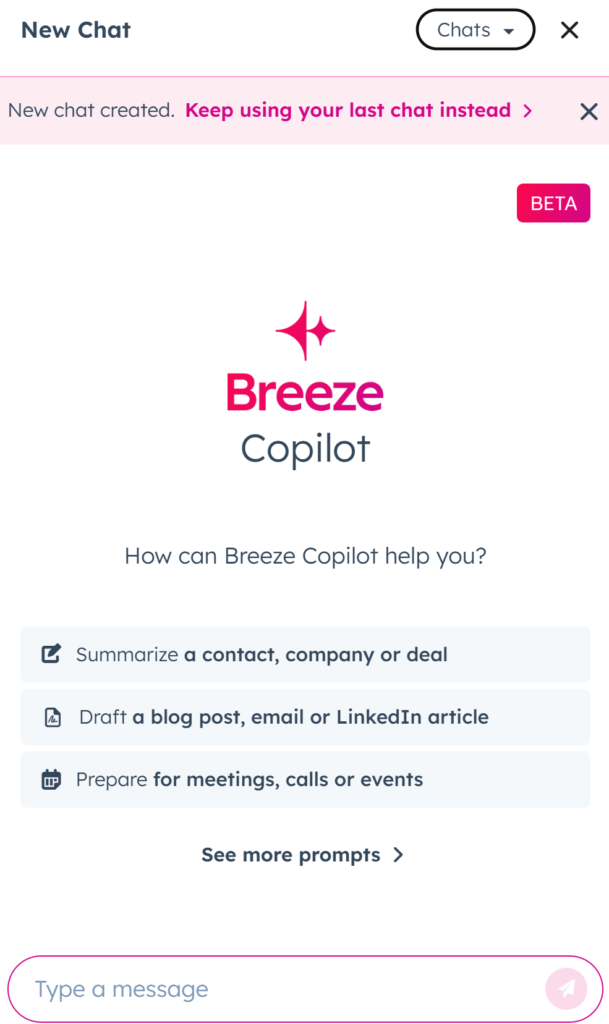
Algunos ejemplos de Prompts listos para utilizar que provee las herramientas de IA. 

Cómo Implementar Breeze y Comenzar a Usarlo

Empezar con Breeze es fácil:

  1. Habilita la IA en HubSpot: Asegúrate de que tu plan de HubSpot incluya capacidades de IA.

  2. Activa las Herramientas de IA: Configura Copilot, Agents e Intelligence en tu CRM.

  3. Personaliza los Flujos de Trabajo: Adapta las funciones de IA a las necesidades de tu negocio.

  4. Capacita a tu Equipo: Asegura que tus equipos de ventas, marketing y soporte aprovechen Breeze al máximo.

¿Quieres implementar Breeze sin complicaciones? Si necesitas ayuda con la implementación u optimización de esta nueva tecnología cuenta con nosotros, tenemos más de 15 años ayudanado empresas a mejorar su estrategia CRM.

¿Tienes alguna consulta?

Nos encanta escuchar nuevos desafíos, completa el siguiente formulario y te responderemos en menos de 24 hs!

Categorías
Blog post

What is Breeze, HubSpot’s New AI, and How Does It Work?

Welcome to Ideago Blog

What is Breeze AI

HubSpot CRM has taken a revolutionary step in artificial intelligence with Breeze, its new AI-powered suite designed to enhance CRM functionality and customer interactions. Breeze integrates seamlessly into the HubSpot ecosystem, offering intelligent automation, predictive analytics, and advanced personalization features to optimize marketing, sales, and customer service operations.

share this on your social channels!

Key Components of Breeze: Copilot, Agents, and Intelligence

1. Copilot: AI Assistance for Efficiency

Agents are AI-powered bots that handle customer inquiries, schedule meetings, and assist with support tickets. These virtual assistants ensure timely responses, freeing up human agents for more complex tasks.

2. Agents: AI-Driven Automation for Customer Interaction

Copilot acts as your AI-powered assistant, helping sales and marketing teams by automating routine tasks such as email drafting, lead scoring, and customer segmentation. It ensures teams focus on high-value activities while maintaining efficiency.

3. Intelligence: AI-Powered Insights for Decision-Making

Intelligence provides predictive analytics and data-driven recommendations, allowing businesses to anticipate customer needs, personalize interactions, and improve decision-making through real-time insights.

How Breeze Helps Businesses

  • Increased Productivity: AI-driven automation reduces manual workload and boosts efficiency.
  • Enhanced Customer Engagement: AI-driven interactions strengthen customer relationships and improve satisfaction.
  • Smarter Decision-Making: Predictive analytics help optimize strategies and drive business growth.
  • Seamless Integration: Works effortlessly within HubSpot’s ecosystem, making AI adoption smooth and scalable.

Real-World Applications

1. For Sales Teams

Sales reps can use Copilot to draft personalized emails, analyze lead behavior, and close deals faster.

2. For Marketing Teams

Marketing teams leverage Intelligence for content recommendations, campaign optimization, and audience targeting.

3. For Customer Support

Agents handle FAQs, schedule meetings, and provide 24/7 support, ensuring better customer satisfaction.


Examples of ready to use prompts Hubspot AI offers you. 

How to Implement Breeze and Start Using It

Getting started with Breeze is simple:

  1. Enable AI in HubSpot: Make sure your HubSpot plan includes AI capabilities.

  2. Activate AI Tools: Configure Copilot, Agents, and Intelligence in your CRM settings.

  3. Customize Workflows: Adapt AI features to your specific business needs.

  4. Train Your Team: Ensure your sales, marketing, and support teams maximize Breeze’s potential.

Want to implement Breeze seamlessly in your business? Let’s optimize your HubSpot CRM together! Contact us for expert consulting and integration.

Do you have any question for us?

We love hearing new challenges, complete the following form and we will answer you in less than 24 hours!

Categorías
Blog post

4 golden tips before you create your business

Welcome to Ideago Blog

4 golden tips before you start your own business

Are you planning to start your own business? Do you have an idea that you think could be profitable? Are you looking to become a freelancer and create your own brand?

Only In 2021, studio Ideago helped more than 20 new brands to go out into the market. This is why we thought it would be very useful to create these 4 simple golden tips to put into practice before investing time and money into a new business.

¡Attention!

These tips are for anyone to follow, you do not need any specific knowledge or previous technical skills.

share this on your social channels!

Share on facebook
Share on twitter
Share on linkedin

Let’s go for it!

Alright, now we are ready to start. We will assume that you already have a fairly clear idea of what you want to do (if not, the first thing then will be to define what you want). 

Before investing resources in your idea, we advise you to follow these 4 golden tips to analyze whether your business could work or not.

Tip 1 – Analyze the market

It may sound very complicated, but analyzing a market is something we do every day with our mobiles without realizing it.

Your business will surely be defined within an existing industry. Use search engines like Google to enter keywords related to the service or product you want to sell and analyze the results you get. For example, if you want to sell shoes in Spain, enter the keyword «sale of shoes in Spain» and check the results of at least the first two pages in Google.

Then perform the same type of search, that is, using keywords related to your business, but on your social networks (Youtube, Linkedin, Facebook, Instagram, TikTok, etc).

Very well! you have already started mapping the industry.

Now, when you carry out market analysis, one of the things you need to keep in mind is the number of results you get on Google, this will give you an idea of the dimensions of the market. If the results are very few, you know that the idea will be easy to communicate, since it does not have as much content competing for positions, but difficult to sell because there is no significant market, that is, a demand. On the contrary, if you get many results it means that there is a market for your idea, you just need to see how to differentiate yourself.

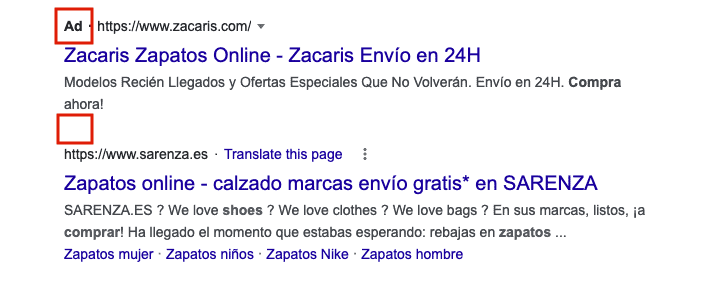
Within your analysis also check if there are any brands paying for ads in that category or industry. You can do this easily when you search on Google, the first results that have the word AD above is because they are brands that pay to be in that position. Below there is an example of how to differentiate a paid result like Google Ads, from an organic result.

Tip 2 – Analyze the competitors

When you are testing your keywords in Google you will learn about who your direct and indirect competitors will be and how many there are. Each brand that appears, each web page, will allow you to map the market in some way in your head, but t could also be very useful to write it down (Although you will do it in the next steps). You can also have an idea of which brand or competitor you want to resemble, which is a good exercise before starting a business to determine what your position will be in the market and what message will identify you.  In addition to your competitors’ websites, check their social networks, what channels they have, how they communicate, how often they publish and what type of interactions they receive from their community. Once these 2 points have been made, you will have a much solid and reasoned idea about whether you believe your business is going to work or not. Can you imagine your brand working after having made the previous points? Do you see your brand or idea competing in the market that you have been able to analyze? If you notice that your idea will not work, it is time to go back and rethink the strategy, the product and the service. If your business idea is still standing, you should continue with tip 3 and 4.

Tip 3 – Develop a business or marketing plan

Here we get into a bit of a mess, but a necessary mess. It is time to make a document that guides all our investment and our idea, this is called a business or marketing plan. Do not worry, it sounds difficult but you will see that it is something you can do without any problem.

Now that you’ve done some research on the industry, market, and competitors, and reasoned that your idea is still viable, it’s time to write your plan and strategy. We do this to create a document that can be shared and allow a group of people to align on the needs and goals of your brand.

Basically this document will be what guides the entire team on the direction of the company or brand. Make sure your plan covers at least the following points:

  • Market Analysis
  • Competitor Analysis
  • Definition of objectives
  • What position do I want in the market
  • Description of my idea or product/service.
  • What kind of communication will we do
  • What kind of channels will we embrace and with what creatives
  • We will define the budget
  • Planning in a calendar of the actions to be carried out.

But don’t worry if this is something you don’t want to do yourself. Many people hire agencies or professionals like Studio Ideago to help them with these types of documents. Hence the last tip for the well-being of your business.

Tip 4 – Look for professional advice

This is the last tip but not the least important. Whenever you have a business idea, it is highly recommended to seek advice from a marketing and business professional so they can give you their expert and external point of view, on the budget you plan to invest and on the goals you want to achieve, for example. This type of advice can give you ideas that you did not foresee, or light you up on a winding path such as creating your own business.

We hope that these simple steps will help you have a clearer vision about your idea or business and  the goals you want to achieve. Do not be discouraged, creating your own business is a difficult path with ups and downs, but if you like what you do, and surround yourself with the right people, in the end you will always succeed.

If you would like to discuss your idea with us, you can contact us here, or leave us your comment in the forms below. We’re happy to hear about your business and help you make it a profitable brand. 

About the Autor


Linkedin

Do you have any question for us?

We love hearing new challenges, complete the following form and we will answer you in less than 24 hours!
You might also be interested in the following related content

Categorías
Entrada de Blog

4 consejos dorados para crear tu negocio o marca

el blog de ideago

4 consejos dorados antes de comenzar tu negocio

¿Tienes pensado montar tu propio negocio? ¿Se te ha ocurrido una idea que crees que puede ser rentable? ¿Quieres lanzarte como autónomo y crear tu propia marca?

Sólo en 2021, en estudio Ideago hemos asesorado a más de 20 marcas nuevas para salir al mercado. Por eso creemos que sería de gran utilidad crear estos 4 simples consejos dorados para poner en práctica antes de invertir tiempo y dinero en un negocio nuevo.

¡Atención!

Estos consejos son para que cualquier persona pueda seguirlos, no necesitas ningún conocimiento específico ni tener capacidades técnicas profesionales previas.

Comparte en tus redes sociales!

Share on facebook
Share on twitter
Share on linkedin

¡Manos a la obra!

Muy bien, ahora sí, podemos comenzar. Daremos por sentado que ya tienes tu idea bastante clara sobre qué quieres hacer (si no es así, lo primero entonces será definir bien qué quieres). Ahora bien, antes de comenzar a invertir recursos en tu idea te aconsejamos seguir estos 4 consejos dorados para analizar si tu negocio será viable o no.

Consejo 1 – Analiza el mercado

Puede sonar muy complicado, pero analizar un mercado es algo que hacemos a diario con nuestros móviles sin darnos cuenta.

Tu negocio estará definido seguramente dentro de una industria ya existente. Utiliza los motores de búsqueda como Google para introducir palabras claves relacionadas con el servicio o producto que deseas vender y analiza los resultados que obtienes. Por ejemplo, si deseas vender zapatos en España, introduce la palabra clave “venta de zapatos en España” y comprueba los resultados de al menos las primeras dos páginas en Google.

Luego realiza el mismo tipo de búsqueda, es decir utilizando palabras claves relacionadas a tu negocio, pero en tus redes sociales (Youtube, Linkedin, Facebook, Instagram, TikTok, etc).

¡Muy bien! ya has comenzado a mapear la industria.

Ahora bien, cuando realizas análisis de mercados ten en cuenta la cantidad de resultados que obtienes en Google por ejemplo, esto te dará una idea de las dimensiones del mercado. Si los resultados son muy pocos sabes que será un producto/servicio fácil de comunicar, ya que no tiene tanto contenido compitiendo por las posiciones, pero difícil de vender porque no existe un mercado significativo es decir una demanda. Por el contrario, si obtienes muchos resultados significa que existe un mercado para tu idea, solo necesitas ver de qué forma entrar para diferenciarte. 

Dentro de tu análisis también comprueba si hay marcas pagando por anuncios en esa categoría o industria. Esto lo haces fácilmente cuando buscas en Google, los primeros resultados que tiene la palabra AD arriba es porque son marcas que pagan por estar ahi. A continuación un ejemplo de un anuncio en Google Ads, pago y otro orgánico.

Consejo 2 – Analiza la competencia

Cuando estés probando tus palabras claves en Google irás aprendiendo sobre quienes serán tus competidores directos e indirectos y cuántos hay. Cada marca que aparezca, cada página web, te permitirá ir mapeando el mercado de alguna forma en tu cabeza, o si quieres también puede ser muy útil escribirlo (Aunque ya lo harás en el siguiente paso). También podrás tener una idea de a cual marca o competidor te quieres asemejar, lo cual es un buen ejercicio antes de comenzar un negocio para determinar cuál será tu posición en el mercado y con qué mensaje te identificarán. 

Chequea además de los sitios web de tus competidores, sus redes sociales, qué canales tienen, de qué forma se comunican, cada cuanto publican y qué tipo de interacciones reciben de su comunidad. 

Una vez realizado estos 2 puntos, tendrás una idea mucho más firme y argumentada sobre si crees tu negocio es viable o no. 

¿Puedes imaginar a tu marca funcionando luego de haber realizado los puntos anteriores? ¿Ves a tu marca o idea compitiendo en el mercado que has podido analizar? Si notas que tu idea no funcionará es hora de volver para atrás y replantearse la estrategia, el producto y el servicio. Si tu idea de negocio aún sigue en pie, deberás continuar con los siguientes 2 consejos.

Consejo 3 – Desarrolla un plan de negocio o marketing

Aquí ya nos metemos un poco de lío, pero lío del necesario. Es hora de realizar un documento que guíe toda nuestra inversión y nuestra idea, esto se llama plan de negocio o  marketing. No te preocupes, suena difícil pero ya verás que es algo que puedes hacer sin problema. 

Ahora que ya has investigado un poco la industria, el mercado y los competidores y has razonado que tu idea aún es viable, llega la hora de escribir nuestro plan y estrategia. Lo escribimos para crear un documento que pueda compartirse y permitir a un grupo de personas alinearse sobre las necesidades y objetivos a trabajar. 

Básicamente este documento será lo que guíe a todo el equipo sobre la dirección de la empresa o marca. Asegúrate que tu plan cubra al menos los siguiente puntos:

  • Análisis de mercado
  • Análisis de la competencia
  • Definición de objetivos
  • Que posición quiero en el mercado
  • Descripción de mi idea o producto/servicio. 
  • Qué tipo de comunicación haremos
  • Que tipo de canales abrazaremos y con qué creatividades
  • Definiremos el presupuesto
  • Planificación en un calendario de las acciones a llevar a cabo.

Pero no te preocupes si esto es algo que no deseas hacer tu mismo. Muchas personas contratan agencias o profesionales como Ideago para que los ayude con este tipo de documentos. De aquí el último consejo para el bienestar de tu negocio.

Consejo 4 – Busca asesoramiento profesional

Este es el último consejo pero no el menos importante. Siempre que tengas una idea de negocio es muy recomendable asesorarte con algún profesional de marketing y negocios para que pueda darte su punto de vista experto y externo, sobre el presupuesto que piensas invertir y sobre los objetivos que quieres alcanzar por ejemplo. Este tipo de asesoramiento puede darte ideas que no tenías previstas, o alumbrarte en un camino sinuoso como el de crear tu propio negocio. 

Esperamos que estos simples pasos te ayuden a tener una visión más clara sobre tu idea o negocio y si será posible alcanzar los objetivos que deseas. No te desanimes emprender es un camino difícil con subidas y bajadas pero si te gusta lo que haces, y te rodeas de las personas adecuadas, al final siempre triunfarás.

Si te gustaría conversar sobre tu idea con nosotros, puedes contactarnos aquí, o dejarnos tu comentario en los formularios debajo. Estamos encantados de escuchar sobre tu negocio y ayudarte a llevarlo a cabo. 

Sobre el Autor


Linkedin

¿Tienes alguna consulta?

Nos encanta escuchar nuevos desafíos, completa el siguiente formulario y te responderemos en menos de 24 hs!

Tal vez te interese leer también sobre…

Categorías
Blog post

How much I need to invest in Google Ads?

Welcome to Ideago Blog

How much I need to
invest in Google Ads?

This question that we hear so many times in our Studio has, I think, one of the most accurate answers among all the existing ones. That answer is…as much as necessary!

Stay a few seconds reading and learn some interesting tricks when it comes to knowing how to invest efficiently in Google Ads.

share this on your social channels!

Share on facebook
Share on twitter
Share on linkedin

What does the investment depend on?

The investment in Google Ads will change depending on several factors such as:

  • The type of product/service I am selling
  • The country where I want to sell
  • The industry I’m part of
  • The market I am targeting
  • My business goals

As you can see, it is difficult to answer this investment question. Therefore, when we receive a query from a client in our Studio, the first thing we do is an assessment of the product, market and client strategy. After having done this analysis, and having played a bit with the Google Ads keyword planner, we can have a rough idea to start talking about investments and campaigns.

Tools to know how much to invest

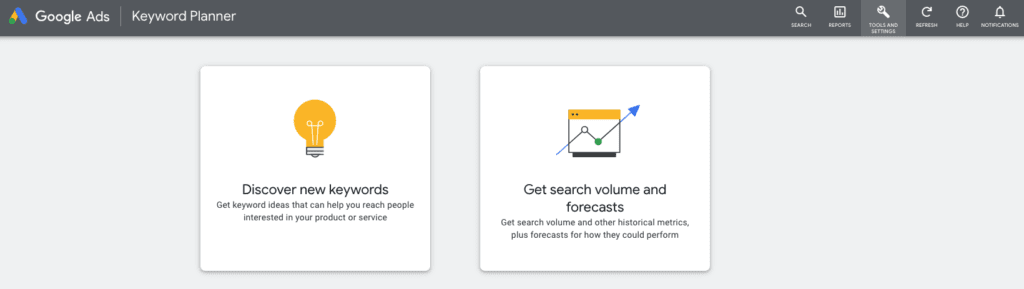
One of the tools we have available, free of charge, is Google Ads Keyword planning. It is also the option I personally recommend using.

planificador palabras claves google ads

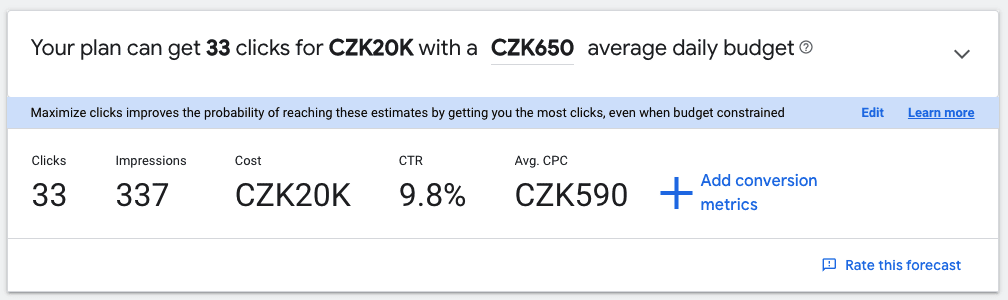
This tool allows us to simulate a specific campaign, with its keywords, location and bid strategy (among many other things). The simulation offers key Kpis to get an approximate idea of ​​the results, including the one that matters to us in this blog post, the monthly cost of the campaign.

Below we can see a Studio Ideago simulation example for a client done in Goole Ads Keyword Planner.

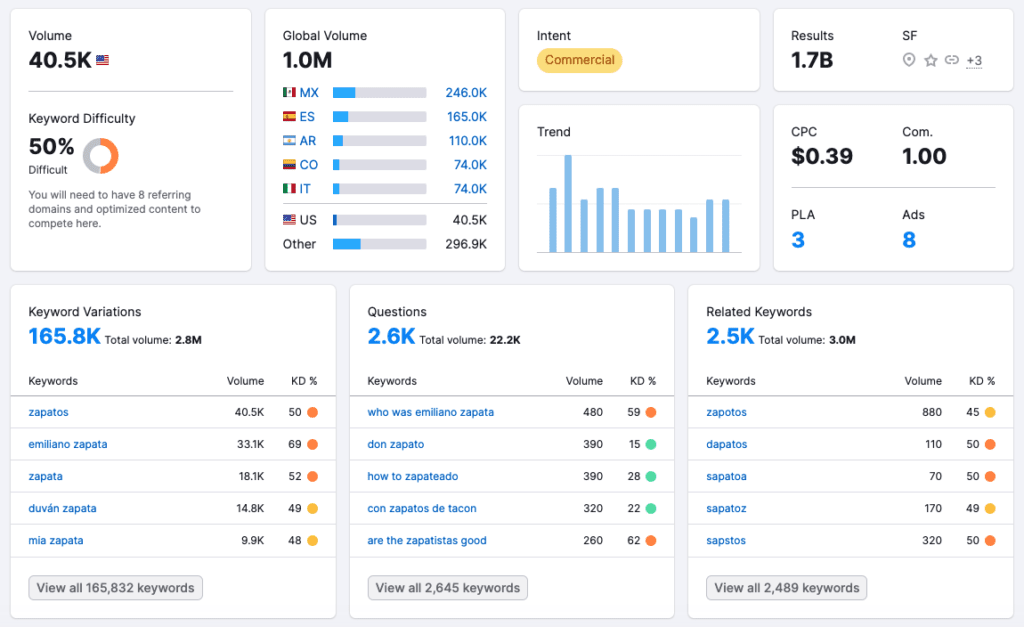
Another tool (in this case paid) that we can use, but we are already heading to a more professional field, is Semrush, this platform gives us many insights about keywords, values ​​and estimated positioning. It is very common among marketing experts, especially if they work with data and analyze the competition. With these data we can also have an estimate of how much we should invest.

analizador semrush

We will always have common sense

Another important aspect when investing in Google Ads is to be aware of the value of my product/service. In other words, if I sell massive products like pens, which can be worth €1, then with little investment I can already sell some product.

In the other hand, if I sell a luxury product, such as watches, which are worth €1000 the cheapest, we cannot expect to invest the same as someone who sells pens for € 1 euro. This is what I mean by always using common sense when it comes to knowing how much we should invest to sell x amounts and have a certain ROI. The investment is directly linked to the price and popularity of your product/service.

So do not expect to have an initial investment of €50 and received €2500 because this game is not that easy. 

Don’t forget the specialist

Always remember when you calculate your investment in Google Ads, to add an extra line there for the professional. That is, who will be in charge of managing and optimizing your campaigns. There are freelance to large marketing agencies that can this for you. Their budgets can range from a few hundred euros to thousands euros per month depending on the challenge and the investment you want to make.

Now you know, there is no quick or easy answer to How much money should I spend on Google Ads? But you have tools and ways to carry out a study to have an approximate. You can always start with a low budget and test.

Remember, the market is changing, so you should always check your Google Ads strategies and campaigns to verify that you are doing things properly.

At Estudio Ideago we have more than 10 years of experience advising companies in the field of Google Ads, you can contact us here, or complete the form below and we will contact you shortly.

About the Autor


Linkedin

Do you have any question for us?

We love hearing new challenges, complete the following form and we will answer you in less than 24 hours!

You might also be interested in the following related content

Categorías
Entrada de Blog

¿Cuánto debo invertir en Google Ads?

el blog de ideago

¿Cuánto debo invertir en Google Ads?

Esta pregunta que tantas veces escuchamos en nuestro estudio tiene creo una respuesta de lo más certera entre todas las existentes. Lo que sea necesario!
Quédate unos segundos leyendo y aprende algunos trucos interesantes a la hora de saber cómo invertir eficientemente en Google Ads.

Comparte en tus redes sociales!

Share on facebook
Share on twitter
Share on linkedin

¿De qué depende la inversión?

La inversión que debamos realizar en Google Ads va a depender de diversos factores. 

  • El tipo de producto/servicio que estoy ofreciendo
  • El país donde deseo vender 
  • La industria en la que me encuentro
  • El mercado al cual me dirijo
  • Los objetivos de mi negocio

Como verán, es difícil que haya una única respuesta correcta a la pregunta de cuánto debemos invertir. Por eso, cuando recibimos una consulta de un cliente en nuestro estudio lo primero que realizamos es una valoración del producto, mercado y estrategia del cliente. Luego de haber hecho este análisis, y haber jugado un poco con el planificador de palabras claves de Google Ads, podemos tener una idea aproximada para comenzar a invertir en una campaña.

Herramientas para saber cuánto invertir

Una de las herramientas que tenemos disponibles, de forma gratuita, es el Administrador y Planificador de Palabras Claves de Google Ads. Es también la opción que personalmente siempre recomiendo. 

planificador palabras claves google ads

Esta herramienta nos permite simular una determinada campaña, con sus keywords, locación y estrategia de puja (entre muchas otras cosas). La simulación ofrece Kpis claves para tener una idea aproximada de los resultados, entre ellos el que nos importa en esta entrada de blog, el costo mensual de la campaña.

A continuación un ejemplo de simulación para un cliente en estudio Ideago

Otra herramienta (en este caso de pago) que podemos utilizar, pero ya nos dirigimos a un campo más profesional, es Semrush, esta plataforma nos arroja muchos insights sobre palabras claves, valores y posicionamiento estimado. Es muy común entre los expertos de marketing, sobre todo si trabajan con datos y analizar a la competencia. Con estos datos también podemos tener un estimado de cuánto deberíamos invertir.

analizador semrush

Siempre estará el sentido común

Otro aspecto importante a la hora de invertir con Google Ads es ser consciente del valor de mi producto/servicio. Es decir, si vendo productos masivos como broches para la ropa, el cual puede valer €1, entonces con poca inversión ya podré vender algún producto.

Ahora si vendo un producto de lujo, como por ejemplo relojes, que valen €1000 el más barato, no podemos esperar invertir lo mismo que aquel que vende broches para la ropa a €1 euro. A esto me refiero con siempre utilizar el sentido común a la hora de saber cuánto deberemos invertir para vender x cantidades y tener un ROI determinado. La inversión está directamente ligada al precio y popularidad de mi producto.

No olvides al especialista

Recuerda siempre a la hora de calcular la inversión en Google Ads, sumar una línea en tu presupuesto para el profesional. Es decir, quien se encargará de administrar y optimizar tus campañas. Hay desde profesionales autónomos hasta grandes agencias de marketing que lo pueden hacer por tí. Sus presupuestos pueden ir desde unos pocos cientos de euros hasta miles de euros por mes dependiendo el desafío y la inversión que deseas hacer. 

Ahora ya lo sabes, no existe una respuesta rápida a ¿Cuánto dinero debo invertir en Google Ads? Pero tienes herramientas y maneras de realizar un estudio para tener un aproximado. Siempre puedes comenzar utilizando un presupuesto bajo y realizar pruebas.

Recuerda, el mercado es cambiante, por lo que siempre deberás ir chequeando tus estrategias y campañas de Google Ads para comprobar que estas haciendo las cosas de manera adecuada. 

En estudio Ideago tenemos más de 10 años de experiencia asesorando empresas en el ámbito de Google Ads, puedes consultarnos aquí, o completar el formulario debajo y nos comunicaremos a la brevedad.

Sobre el Autor


Linkedin

¿Tienes alguna consulta?

Nos encanta escuchar nuevos desafíos, completa el siguiente formulario y te responderemos en menos de 24 hs!

Tal vez te interese leer también sobre…

Categorías
Blog post

Basic health guide to diagnose your e-commerce

WELCOME TO Ideago Blog

Basic Health Guide
to diagnose
your e-commerce

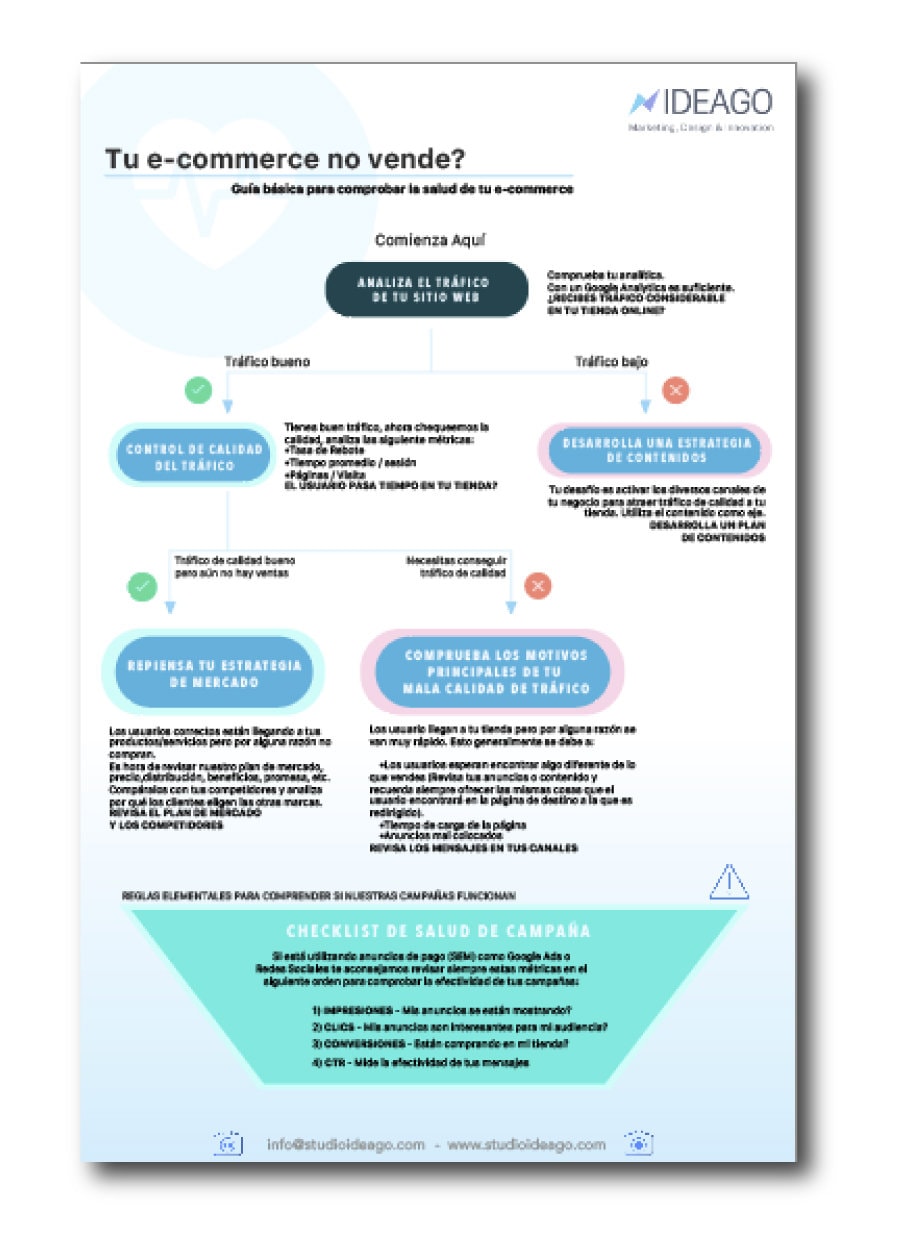
After receiving the same question dozens of times over the last few years, «What is happening to my e-commerce, why I am not selling?«, at Studio Ideago we decided to design a quick and easy guide to understand the health of your online store.

With this document you will be able to orient yourself to where the problem is and how to solve it.

Share this on your social channels!
Share on facebook
Share on twitter
Share on linkedin

What is and how to use the health guide for e-commerce?

This quick guide will help you understand through site traffic and different metrics of your online store, which areas you should strengthen in your strategy to get those sales that you want so much. The only thing you have to do is download the document (you can print it, if it is easier for you, but if you love the planet like us, just download your digital version).

Once you have the digital (or printed) document, all you have to do is start from the beginning and check the different steps mentioned in the guide. Take the time to find the right information and analyse your metrics. We know that sometimes working with data can be a bit heavy, but if you are going to manage an e-commerce, it is important that you understand the basic rules.

Consierations before using it

Having exposed all of the above, we feel obliged to make a very important clarification. In our extensive experience advising online businesses over the years, we have learned a very valuable lesson, each business is a world apart and should be treated as such.

With this, what we mean is, the guide that we have developed below is intended as a basic tool for those who wants to generally understand what happens in their e-commerce. Of course, there are many topics that are analysed within an e-commerce outside the scope of this guide. Therefore, if our guide does not solve your problem in your online store, we ask you to write to us with your particular case so that we can provide you with a more personalised consulting service.

Get your copy here

Just fill out the short form below with your information and you’ll get your copy of our quick health guide for online stores right away!

We hope this tool helps you improve your business performance.

About the Autor


Linkedin

Can we help you?

We love hearing new challenges, complete the following form and we will answer you in less than 24 hours!

You might be also interested in reading …